
Healthy eating becomes easier when meal portions are simple to understand. Instead of guessing how much of each food to serve, a visual approach can make everyday meals more organized. Clear portion awareness also encourages variety, balance, and enjoyable eating habits without making meals feel restrictive.
1. Understand The Role Of Portions
Knowing how different foods fit together is an important part of building balanced meals. A Portion Control Plate offers a practical visual method for understanding how vegetables, proteins, and carbohydrates can be arranged.
- Give vegetables a generous place on the plate.
- Include an appropriate serving of protein.
- Add nourishing carbohydrate choices.
- Include healthy fats in moderate amounts.
- Adjust portions according to individual needs.
2. Make Vegetables A Meal Essential
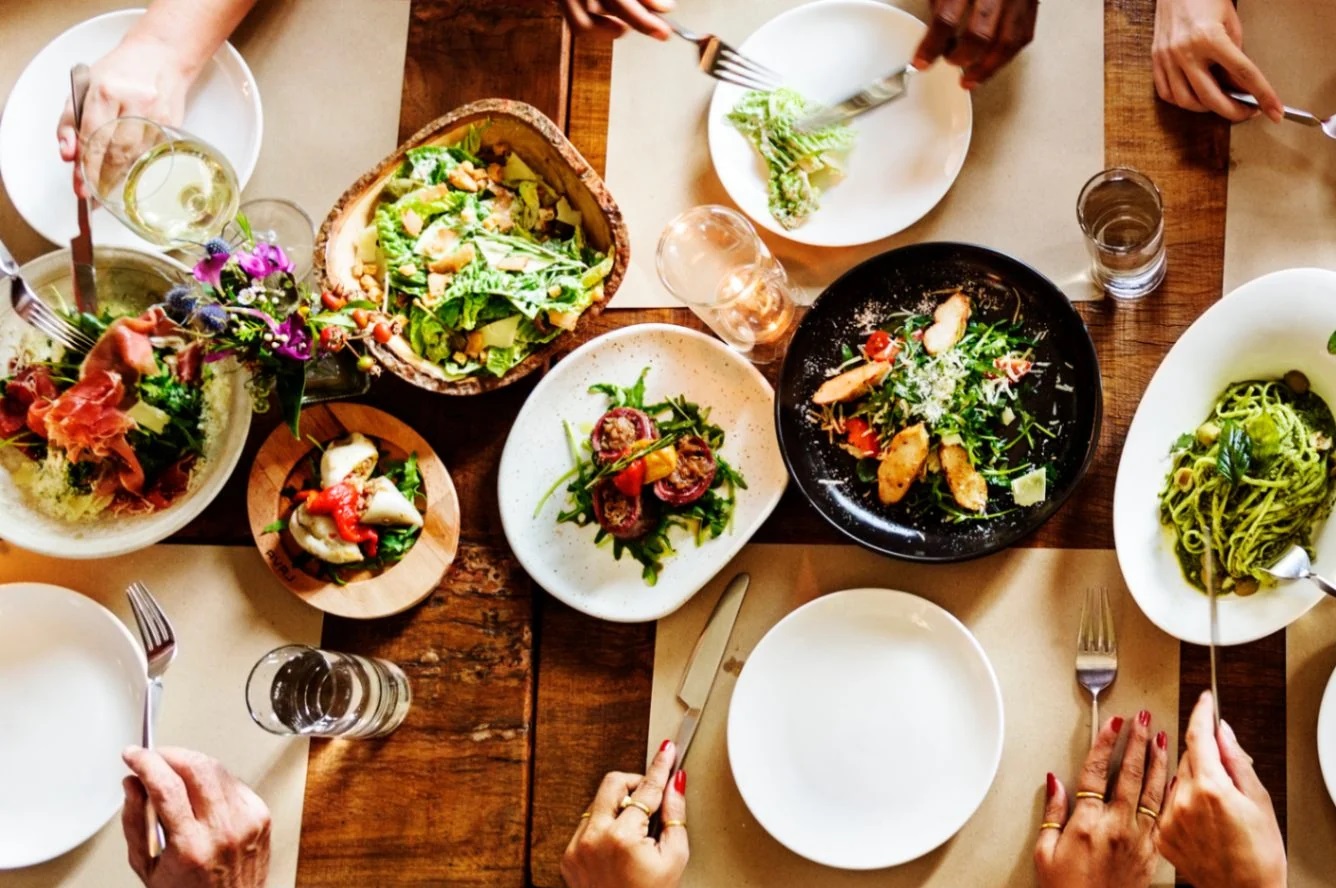
Vegetables can bring color, texture, flavor, and valuable nutrients to everyday meals. Including different varieties can make balanced portions more appealing and satisfying.
- Choose leafy greens regularly.
- Add colorful vegetables to lunch and dinner.
- Include fresh, cooked, or roasted options.
- Rotate vegetables throughout the week.
- Try different seasonings for added variety.
3. Choose Satisfying Protein Sources
Protein can contribute to satisfying meals and complement vegetables and grains. Including different protein-rich foods can keep meal planning interesting while supporting a varied eating pattern.
- Include beans and lentils in meals.
- Add eggs when suitable.
- Choose lean meat or poultry if preferred.
- Include fish as part of a varied diet.
- Explore other nourishing protein choices.
4. Keep Carbohydrate Portions Balanced
Carbohydrates can provide energy and enjoyment when included thoughtfully. Choosing nutrient-rich options and serving comfortable portions can help create meals that feel complete.
- Consider whole grains more often.
- Include oats, brown rice, or whole-grain bread.
- Combine grains with vegetables and protein.
- Keep serving sizes comfortable.
- Vary carbohydrate choices throughout the week.
5. Pay Attention To Hunger And Fullness
Portion awareness becomes more meaningful when people listen to their body’s signals. Eating slowly and noticing fullness can encourage a more mindful relationship with meals.
- Start with a reasonable serving.
- Eat without unnecessary distractions.
- Take time to enjoy each bite.
- Pause when checking fullness.
- Serve additional food only when genuinely needed.
6. Make Portions Easy To Repeat
Consistency can make healthy meal habits easier to maintain. Simple portion routines can reduce guesswork and help create an organized approach to everyday eating.
- Use familiar serving amounts.
- Prepare balanced meals ahead of busy days.
- Keep nutritious ingredients available.
- Repeat successful meal combinations.
- Make gradual adjustments when necessary.
Conclusion
Clear meal portions can transform everyday food planning into a simpler and more enjoyable routine. By balancing vegetables, protein, carbohydrates, and healthy fats while paying attention to hunger and fullness, meals can remain nourishing and satisfying. Practical portion habits can support consistency, variety, and confidence in daily food choices.